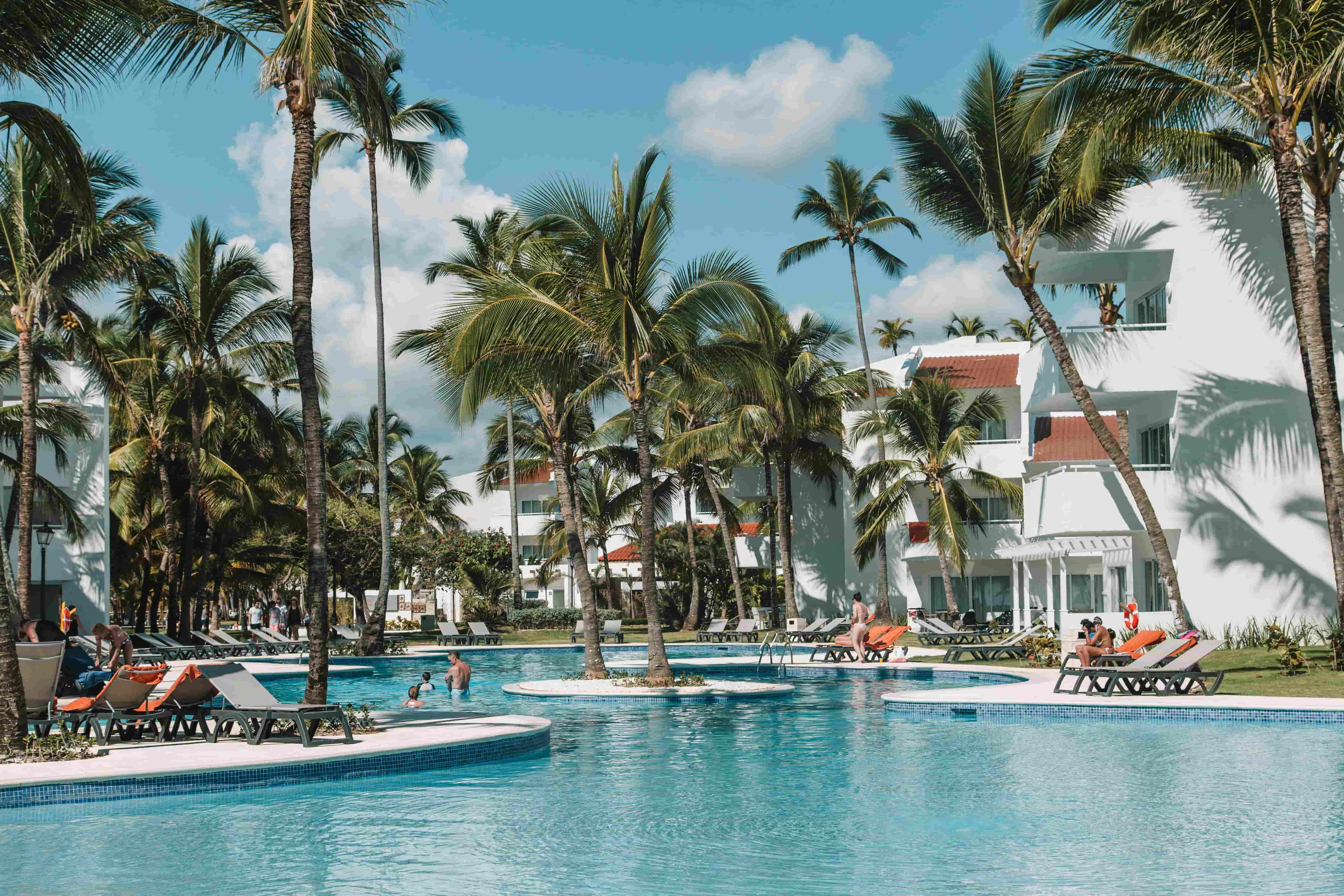
Eastern Coast
Punta Cana
18°36′N · 68°22′WEl mercado de inversión más líquido del Caribe.
$80,000–$180,000
Entry (1BR)
6–9%
Gross Yield
4–7% p.a.
5yr Cap. Growth
High
Liquidity
Medium RiskAnálisis completo→
Preferencias
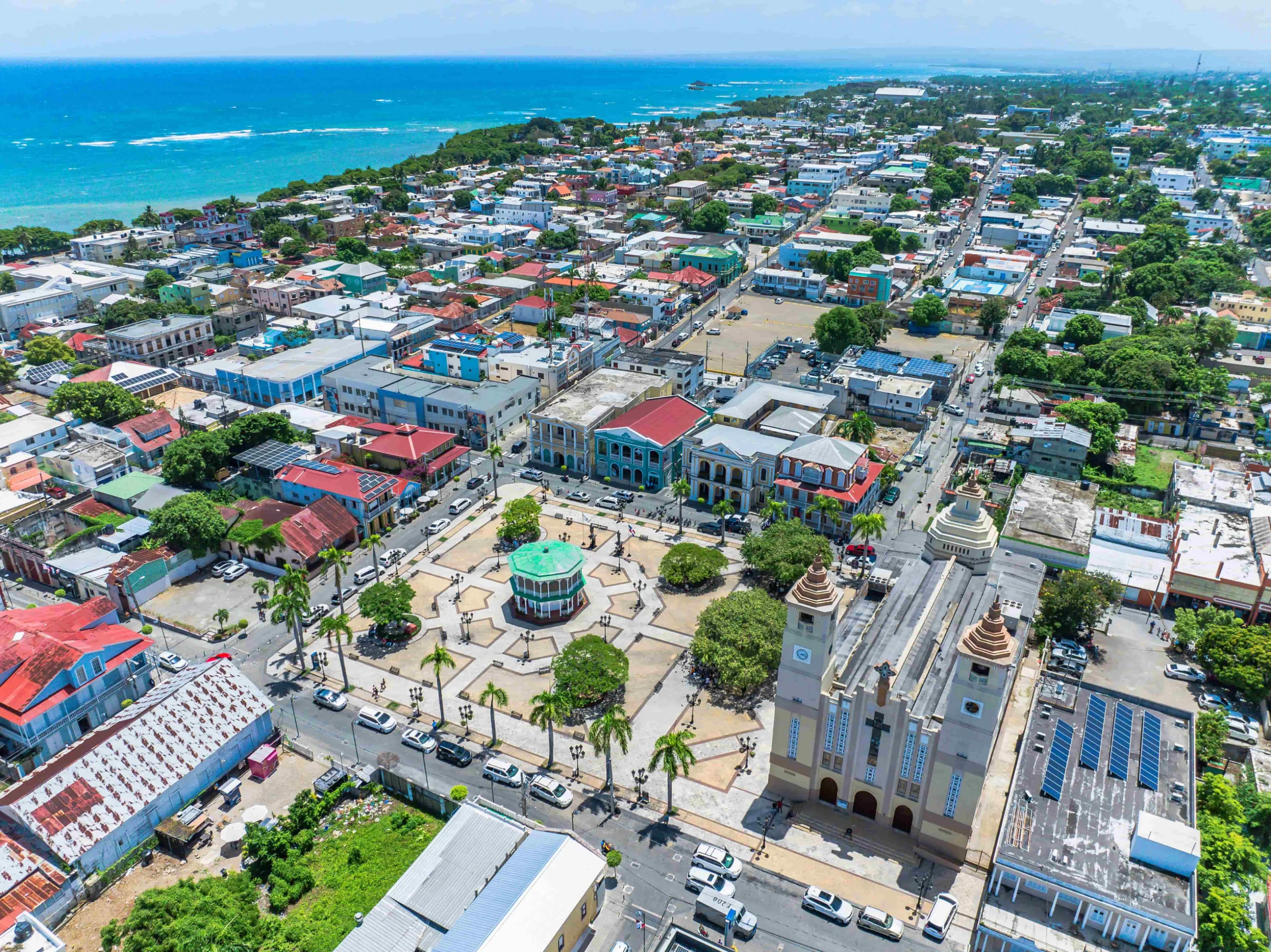
El motor de infraestructura de la costa norte, a los precios más bajos de la región.
Puerto Plata es donde realmente aterriza la infraestructura de la costa norte. Amber Cove ha atraído a cerca de siete millones de visitantes de cruceros desde 2015 y superó el millón solo en 2024, y la ampliación de rutas aeroportuarias ha seguido el ritmo de ese tráfico. Esa inversión beneficia tanto a Sosúa y Cabarete como a la propia ciudad, pero es en la ciudad donde el precio es más bajo.
La revalorización reportada de los condominios, de entre 9% y 11% durante 2025, superó a la de las casas independientes, y los pronósticos publicados apuntan a un 5–9% adicional en 2026. Se trata de cifras de análisis de mercado más que de análisis de transacciones, y deben interpretarse como orientativas.
La contrapartida está en el producto y la liquidez. Esta es una ciudad de trabajo más que una ciudad turística: el mercado de alquiler es más débil que quince minutos al este, el grupo de compradores es más doméstico, y las salidas pueden ser lentas. Conviene a capital que se posiciona antes de un desarrollo, no a capital que busca una rentabilidad de alquiler ya establecida.
Puerto Plata representa la historia de infraestructura de la costa norte más que su producto más atractivo. La terminal de cruceros Amber Cove, inaugurada en 2015, había recibido alrededor de siete millones de visitantes al llegar a su décimo aniversario, y superó el millón de escalas solo en 2024; la expansión de rutas aéreas ha seguido ese ritmo. Se reportó que los condominios cercanos a las playas se apreciaron entre 9% y 11% durante 2025, por delante de las casas independientes con un 6–9%, con pronósticos publicados de un 5–9% adicional en 2026 y un crecimiento acumulado de 25–45% en cinco años. Se trata de pronósticos de comentaristas de mercado y no de análisis riguroso, pero el motor subyacente —la llegada programada de capital público y de las líneas de crucero— es verificable y poco habitual para la región.
Inversionistas que se posicionan antes de un desarrollo de infraestructura y aceptan a cambio un mercado de alquiler actual más débil.
Hospitales, universidades, comercio y un aeropuerto, a precios muy por debajo de las ciudades turísticas a veinte minutos al este.
Donde la tesis es la trayectoria de la región más que el ingreso de un edificio específico. Los plazos de salida aquí son más largos.
Más doméstico que Sosúa o Cabarete. Compradores profesionales dominicanos, negocios de la costa norte e inversionistas internacionales orientados al valor que se posicionan antes del desarrollo turístico, en lugar de adquirir un producto de alquiler ya consolidado. Aquí, los compradores generalmente aceptan un mercado de alquiler actual más débil a cambio de la tesis de apreciación.
Más débil y más doméstico que las ciudades turísticas. Los pasajeros de crucero son visitantes de un día y no generan demanda de alojamiento. El mercado de alquiler está impulsado por inquilinos domésticos de estancias más largas, viajes de negocios, y el desbordamiento de Sosúa y Cabarete cuando esos mercados están llenos. El rendimiento del alquiler a corto plazo está materialmente por debajo del de la costa quince minutos al este.
Inquilinos domésticos de larga estancia; viajes de negocios; desbordamiento de las ciudades turísticas
Apartamentos en y alrededor del centro de la ciudad y el Malecón. La entrada más baja de la costa, con demanda doméstica en lugar de turística.
Compradores de valor e inversionistas de alquiler a largo plazo.
Stock más reciente en Costambar, Cofresí y Playa Dorada. El segmento que impulsa la revalorización reportada.
Compradores que buscan tanto exposición a la revalorización como cierto potencial de alquiler a corto plazo.
Propiedad independiente en comunidades cerradas ya consolidadas cerca de los clubes de golf y playa.
Compradores residenciales y propietarios de uso mixto.
Parcelas con servicios y semi-servicios a lo largo del corredor costero. Una apuesta directa a la tesis de expansión inmobiliaria.
Compradores con horizonte de largo plazo y capacidad de desarrollo.
Enclave turístico y de golf ya consolidado; el producto de alquiler gestionado más sólido
Vistas al mar desde la ladera junto a Ocean World; oferta de villas y propiedades boutique
Comunidad de playa con expatriados de larga data y un mercado de reventa consolidado
Núcleo victoriano y frente marítimo; exposición a la regeneración urbana, base de inquilinos local
El más cercano a la terminal de cruceros; la apuesta más directa sobre infraestructura
Carretera costera hacia el este en dirección a las ciudades turísticas; comunidades cerradas y terrenos
Inversión en infraestructura verificable y continua: cerca de siete millones de visitantes de cruceros desde 2015
Los precios de entrada más bajos de la costa norte, con servicios urbanos genuinos incluidos
Revalorización reportada de condominios del 9–11% en 2025, por delante de las viviendas independientes
Aeropuerto regional (POP) a la puerta, que suma rutas internacionales
Infraestructura urbana real: hospitales, universidades, comercio, de la que carecen las ciudades turísticas
Posicionada para beneficiarse de la demanda de Sosúa y Cabarete sin pagar su prima
Los pasajeros de crucero son visitantes de un día y generan poca demanda de alojamiento; el vínculo entre el tráfico y los valores inmobiliarios es indirecto
El mercado de alquiler a corto plazo más débil de los tres mercados de la costa norte analizados
Un grupo de compradores más doméstico implica salidas más lentas y condiciones de financiamiento distintas
Los pronósticos de revalorización provienen de comentarios de mercado, no de análisis de transacciones
El parque de viviendas urbano, más antiguo, conlleva costos de renovación y cumplimiento normativo
Costa orientada al Atlántico con una exposición significativa a huracanes
Los precios más bajos de la costa norte. Los precios medianos de venta de condominios se ubicaron cerca de US$260,000 a mediados de 2026, pero esa cifra se ve elevada por el nuevo inventario frente al mar; el producto más antiguo y de zonas interiores se transa bien por debajo de esa cifra. El valor se concentra en la brecha entre los precios de la ciudad y la prima de las ciudades turísticas a quince minutos por la costa.
Más limitada y más doméstica que las ciudades turísticas. El grupo de compradores internacionales que sostiene a Sosúa y Cabarete es más reducido aquí, y la salida a menudo depende de compradores dominicanos cuyas condiciones de financiamiento son diferentes. El inventario más nuevo frente al mar es el segmento más líquido; el producto urbano más antiguo puede ser lento.
Una ciudad provincial de trabajo con un centro victoriano del siglo XIX, el malecón frente al mar y el único teleférico del país, que sube al Pico Isabel de Torres. Cuenta con hospitales, universidades, comercios y un aeropuerto —infraestructura cotidiana que las ciudades turísticas no tienen— junto a playas más funcionales que postales. Sosúa y Cabarete están a veinte y treinta minutos al este.
Se proyecta que la llegada de cruceros siga aumentando hacia 3.2 millones de pasajeros, y la continua inversión aeroportuaria es el impulsor más creíble del valor a mediano plazo en esta costa.
La pregunta abierta es la conversión: los pasajeros de crucero son visitantes de un día que no alquilan propiedades. El argumento de revalorización depende de que ese tráfico se traduzca en inversión hotelera, rutas aéreas y demanda residencial, una cadena con varios eslabones que pueden fallar cada uno de forma independiente.
La tesis de apreciación aquí depende de que el tráfico de cruceros y del aeropuerto se convierta en demanda residencial, una cadena con varios eslabones. Una revisión independiente separará lo que ya está construido de lo que todavía es un pronóstico.
Analice su propiedadAnaliza una propiedad aquí
El mercado de inversión más líquido del Caribe.
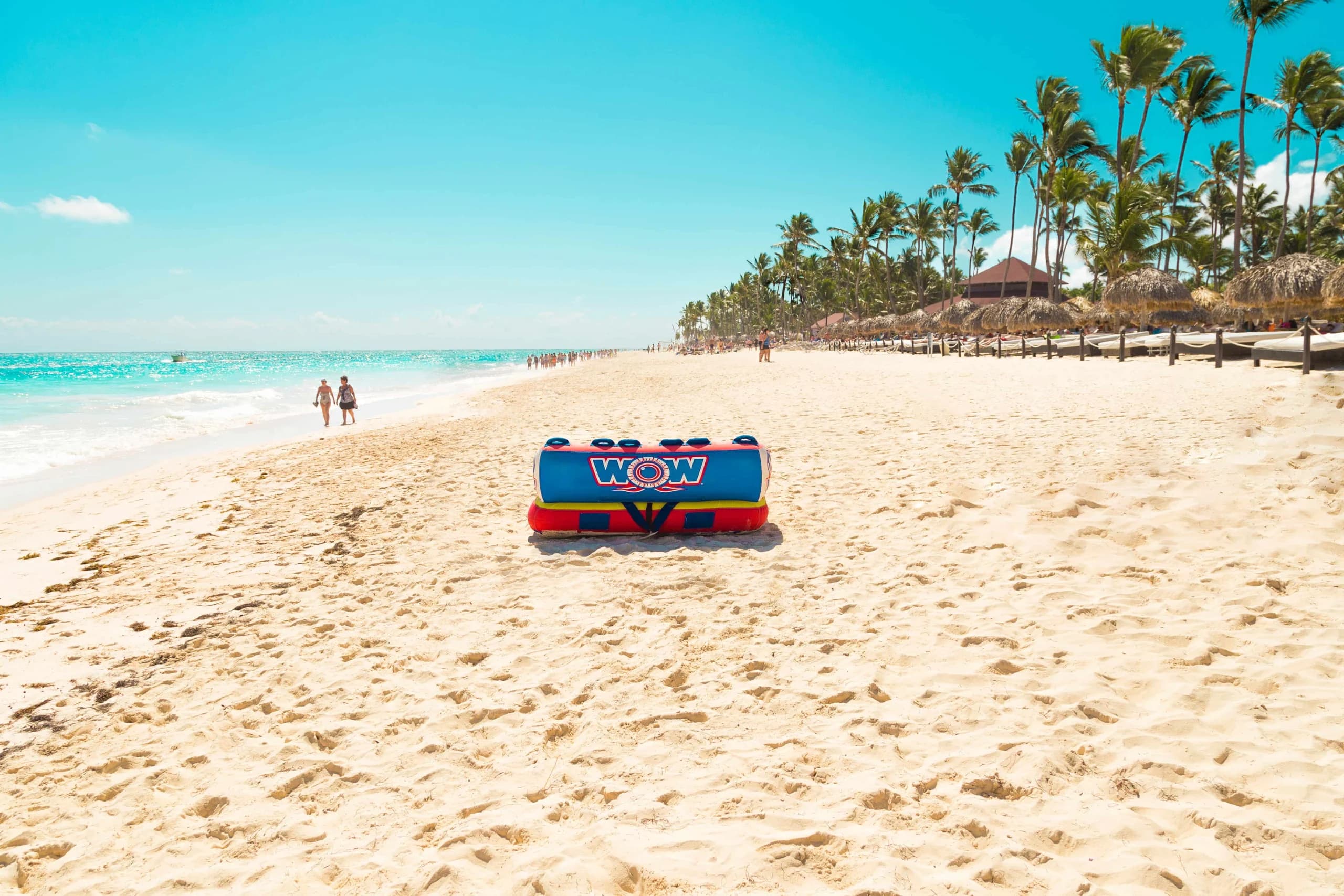
La oferta de alquiler más profunda del país — y la brecha más amplia entre el rendimiento anunciado y el realmente obtenido.

Ultra lujo, oferta controlada, apreciación de capital.