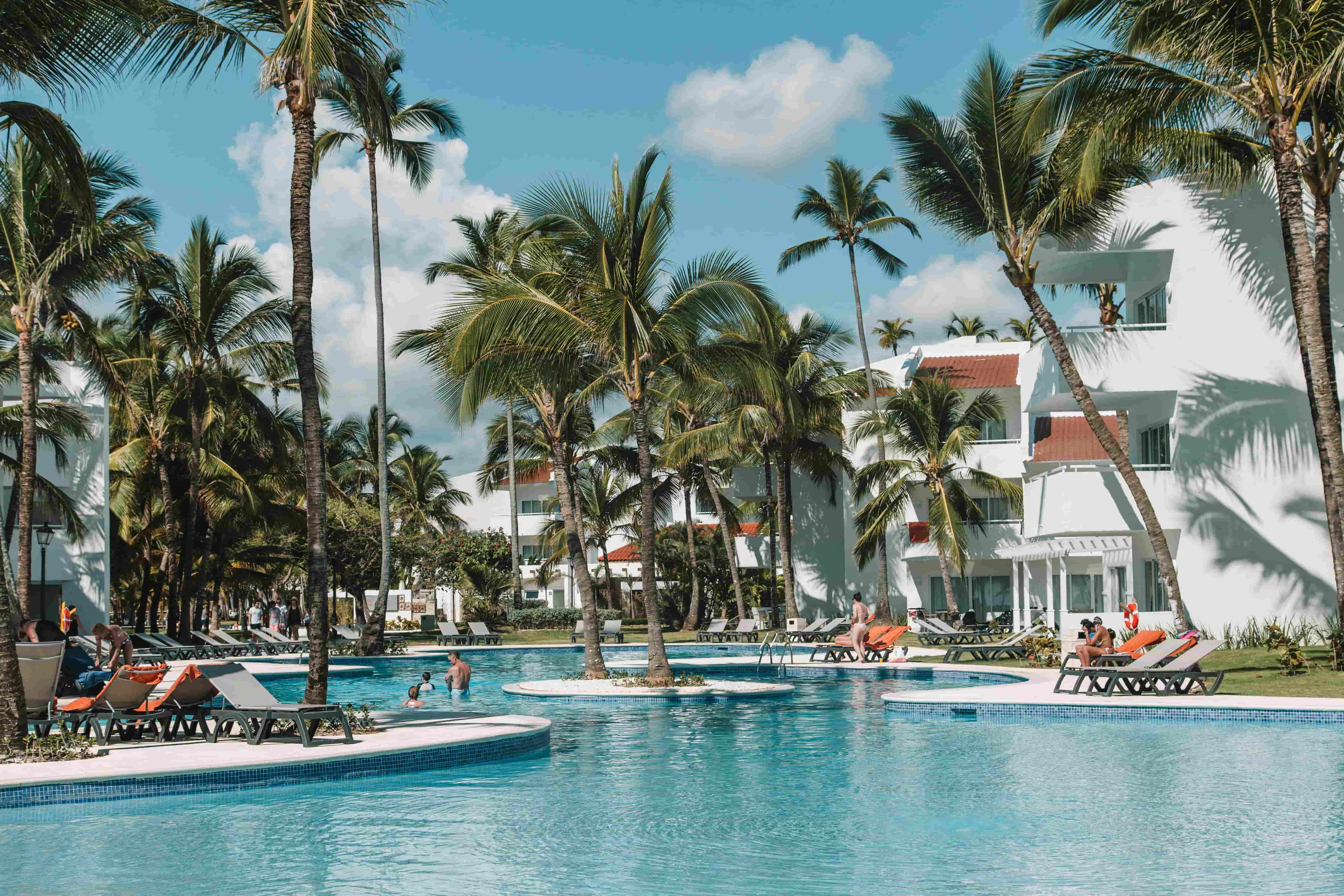
Eastern Coast
Punta Cana
18°36′N · 68°22′WEl mercado de inversión más líquido del Caribe.
$80,000–$180,000
Entry (1BR)
6–9%
Gross Yield
4–7% p.a.
5yr Cap. Growth
High
Liquidity
Medium RiskAnálisis completo→
Preferencias
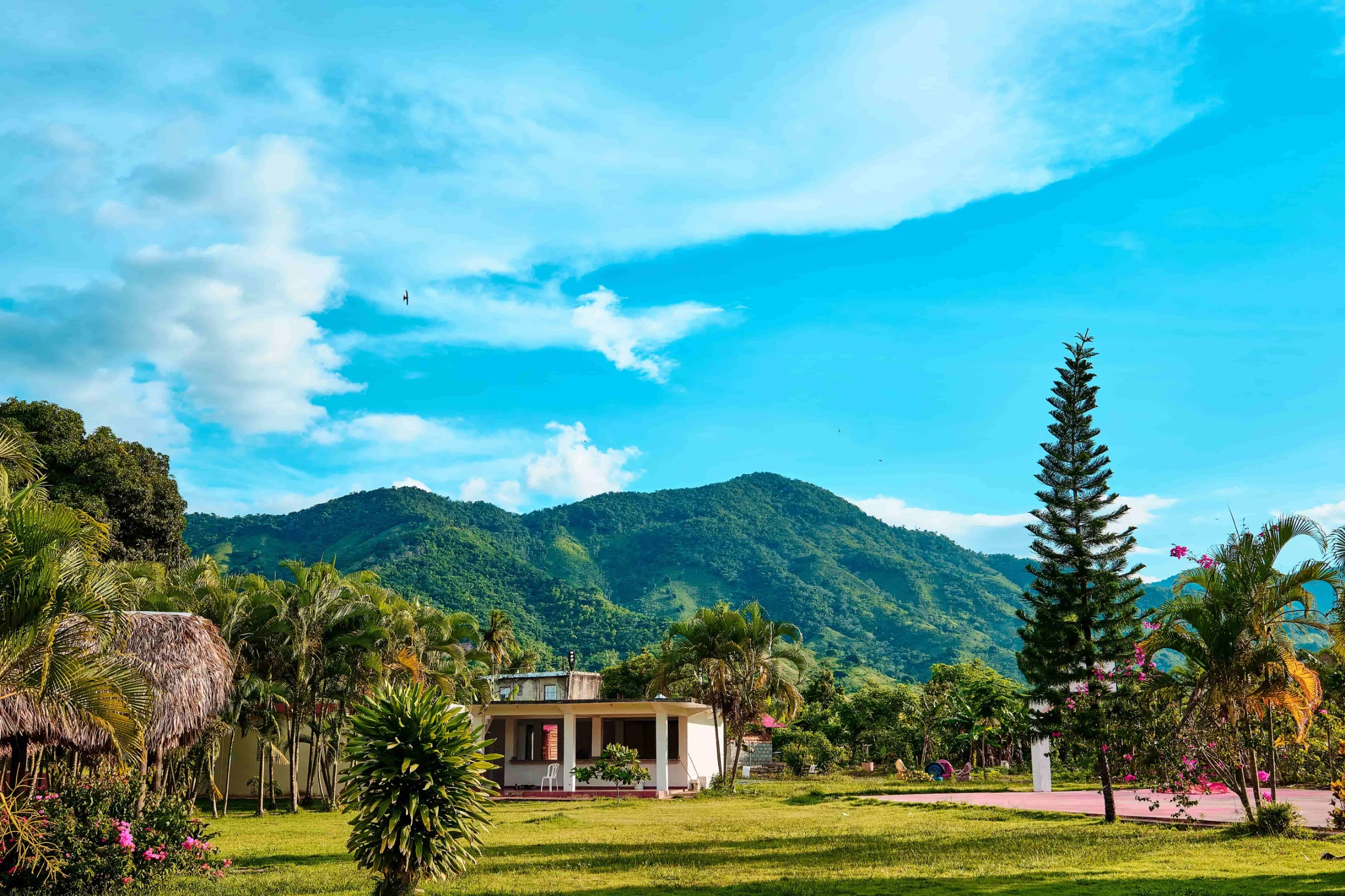
El mercado de montaña. Demanda doméstica, sin riesgo de marejada ciclónica, sin sobreprecio de playa.
Jarabacoa es el mercado de montaña de la República Dominicana, y el único de los aquí analizados cuya demanda es doméstica y no internacional. A unos 500 metros en la Cordillera Central, vende clima y espacio en lugar de costa, lo que le confiere un perfil de demanda no correlacionado con los mercados de playa y, fundamentalmente, ninguna exposición a marejadas ciclónicas.
El precio refleja esta realidad. El precio de venta mediano se situó cerca de US$190,700 en 2026, a aproximadamente US$844 por metro cuadrado, con terrenos desde alrededor de US$51,000, muy por debajo de cualquier mercado costero de esta lista. Las propiedades de dos y tres habitaciones se agrupan estrechamente entre US$178,000 y US$193,000.
La limitación está en el mercado de alquiler. El tráfico de fin de semana y de vacaciones proveniente de Santiago y Santo Domingo no genera la ocupación de la costa, y el grupo de compradores internacionales que sostiene la reventa en la costa apenas existe aquí. Este es un mercado de estilo de vida y diversificación, no de rendimiento.
Jarabacoa es el único mercado de los aquí analizados que no depende del turismo de playa internacional. A unos 500 metros de altitud en la Cordillera Central, atiende la demanda dominicana y de expatriados de una segunda vivienda más fresca, y su mercado de alquiler corresponde al tráfico doméstico de fines de semana y vacaciones desde Santiago y Santo Domingo, más que a la fuga invernal del hemisferio norte. Los precios medianos de oferta se situaron cerca de US$190,700 en 2026, a unos US$844 por metro cuadrado — una fracción de las tarifas costeras. El argumento de cartera es la diversificación: motores de demanda distintos, estacionalidad distinta y ninguna exposición a marejadas ciclónicas costeras. El argumento en contra es igual de claro: no hay una base de compradores internacionales, y el mercado de alquiler no sostiene una tesis orientada al rendimiento.
Exposición a propiedades dominicanas con factores de demanda, estacionalidad y riesgo climático distintos de los de cualquier mercado costero. Resulta más útil junto a una propiedad costera que en su lugar.
Propietarios que priorizan el clima, el espacio y la privacidad por encima del rendimiento del alquiler, incluidos residentes que ya viven en el país.
Donde la entrada desde alrededor de US$51,000 permite una posición a largo plazo sin un compromiso de capital significativo.
Predominantemente doméstico. Profesionales de Santiago y Santo Domingo que compran una casa de fin de semana; familias dominicanas que adquieren terreno para uso multigeneracional; y un segmento más pequeño de expatriados — a menudo ya residentes en el país — que eligen el clima por encima de la costa. Los inversionistas internacionales que compran sin ver la propiedad son poco frecuentes, lo cual en sí mismo es una señal sobre el perfil de liquidez.
La demanda de alquiler es doméstica y se concentra en los fines de semana: familias de Santiago y Santo Domingo que reservan estadías de dos y tres noches, concentradas en fines de semana, días festivos y los meses más frescos. La ocupación es estructuralmente más baja que en cualquier mercado costero debido a la escasa demanda entre semana. El turismo de aventura añade una capa modesta y creciente, pero no cambia la forma de la semana.
Tráfico doméstico dominicano de fin de semana; visitantes de turismo de aventura y ecoturismo; expatriados residentes
El producto central del mercado, con un promedio cercano a US$178,000. Típicamente en una parcela con jardín y vistas a la montaña.
Compradores de entrada y propietarios de uso los fines de semana.
Con un promedio cercano a US$193,000, y ejemplos bien especificados con vistas al río y a la sierra que alcanzan entre US$310,000 y US$360,000.
Segundas viviendas familiares con cierto potencial de alquiler los fines de semana.
Propiedad de cuatro a seis habitaciones en terrenos más amplios; la de cuatro habitaciones promedia cerca de US$427,500 y la gama más alta del mercado alcanza US$790,000 en adelante.
Compradores de residencia principal y familias multigeneracionales.
Parcelas agrícolas y residenciales, desde pequeños lotes hasta extensiones considerables. El punto de entrada más bajo de todos los mercados aquí contemplados.
Compradores con horizonte de largo plazo y autoconstructores.
Servicios urbanos, escuelas y comercio cotidiano; residencial doméstico
Entorno de valle fluvial hacia los accesos al Pico Duarte; sólida oferta de villas
Lotes elevados en la sierra con vistas al valle; la dirección residencial más codiciada del pueblo
Adyacente a la cascada; ecoturismo y alojamiento boutique
Donde se encuentran el Yaque y el Jimenoa; base de rafting y propiedades ribereñas
Acceso de mayor altitud hacia el Pico Duarte; terreno agrícola en el punto de entrada más bajo
Factores de demanda no correlacionados con el turismo internacional de playa: una diversificación de cartera genuina
Sin exposición a marejadas ciclónicas costeras; no aplica el principal perfil de riesgo climático de los mercados costeros
La entrada más baja de todos los mercados analizados, con terrenos desde alrededor de US$51,000
Precio mediano cercano a US$844 por metro cuadrado, una fracción de las tarifas costeras
Un clima más fresco durante todo el año es una ventaja duradera y no replicable en esta isla
A aproximadamente una hora de Santiago y su aeropuerto internacional (STI)
Ocupación estructuralmente baja: la demanda doméstica de fin de semana no llena un calendario entre semana
Grupo de compradores internacionales casi inexistente, lo que limita tanto los precios como las opciones de salida
Períodos de comercialización largos; este mercado se mueve a un ritmo doméstico
Riesgos específicos de montaña: vías de acceso, exposición a deslizamientos y suministro de agua en parcelas más altas
El precio publicado proviene de portales de listados; los precios realmente alcanzados en un mercado doméstico pueden diferir sustancialmente
La infraestructura de gestión de alquileres es escasa en comparación con los mercados costeros
Precio mediano de oferta cercano a US$190,700, a unos US$844 por metro cuadrado, con propiedades de dos habitaciones que promedian cerca de US$178,000 y las de tres habitaciones cerca de US$193,000. Las propiedades más grandes divergen marcadamente — las de cuatro habitaciones promedian cerca de US$427,500, mientras que algunas fincas de seis habitaciones alcanzan US$790,000 o más. El terreno comienza alrededor de US$51,000.
Doméstica y lenta. Los compradores son casi en su totalidad dominicanos o ya residentes, las condiciones de financiamiento difieren de los mercados costeros internacionales, y los períodos de comercialización son largos. Existe un mercado de reventa real — esto no es premercado como Miches —, pero se resuelve a un ritmo y a precios domésticos.
Un pueblo de montaña sobre el Yaque del Norte, rodeado de bosque de pinos, cascadas y los accesos al Pico Duarte. El clima es notablemente más fresco que el de la costa, el ritmo de vida es agrícola, y la base de actividades es el rafting en río, la equitación, el parapente y el senderismo, más que cualquier cosa marina. Santiago está a una hora aproximadamente; las playas de la costa norte, a unas dos.
La formación de riqueza doméstica es el factor clave a observar: el mercado de Jarabacoa sube y baja con el poder adquisitivo de los profesionales de Santiago y Santo Domingo, y no con el turismo internacional.
El ecoturismo y el turismo de aventura están creciendo, aunque desde una base reducida, y el entorno de conservación de la ciudad limita cuánto desarrollo puede absorber el valle, lo que sostiene los precios pero limita el volumen.
El acceso, el suministro de agua y el título de propiedad varían enormemente entre parcelas aquí, de una forma que no ocurre en la costa. Una revisión independiente de la propiedad específica, no del pueblo, es lo que protege una compra en este mercado.
Analice su propiedadAnaliza una propiedad aquí
El mercado de inversión más líquido del Caribe.
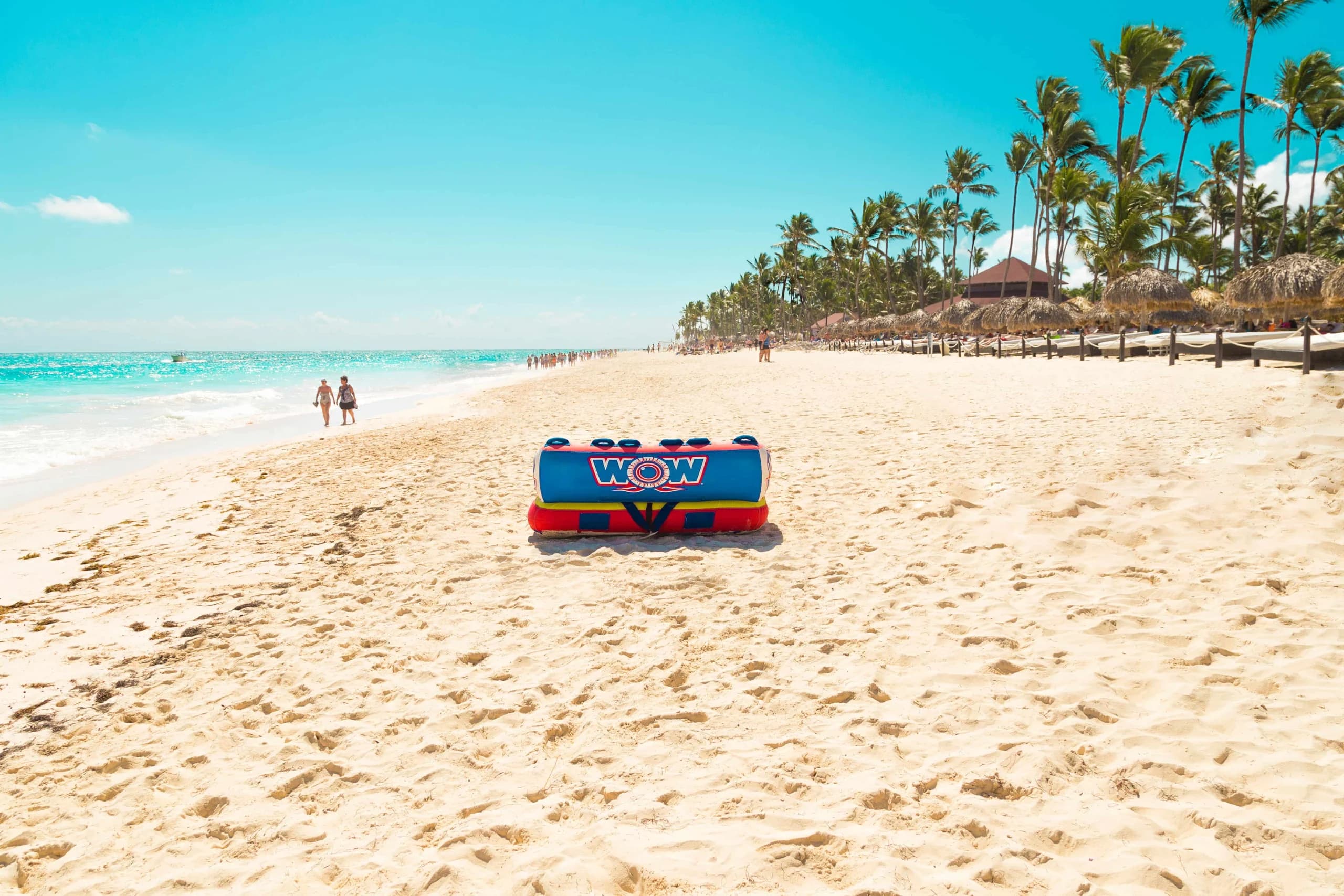
La oferta de alquiler más profunda del país — y la brecha más amplia entre el rendimiento anunciado y el realmente obtenido.

Ultra lujo, oferta controlada, apreciación de capital.